Signs of Mold Toxicity and Poor Indoor Air Quality
Learn to identify signs of mold toxicity and poor indoor air quality in Newark, NJ, and improve your home environment.
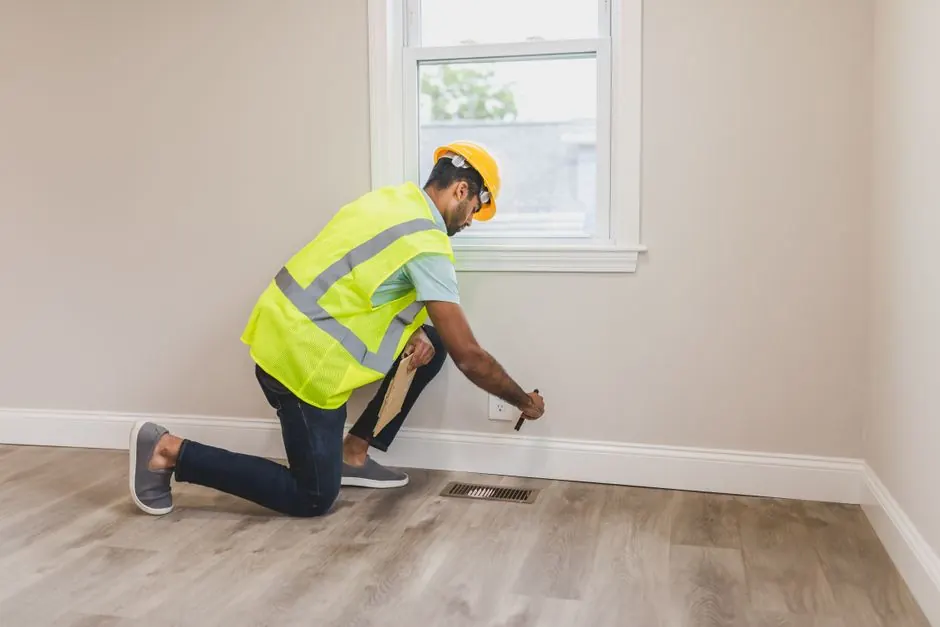
Mold toxicity and poor indoor air quality can lead to serious health issues. Recognizing the signs early can protect you and your family from long-term health problems.
This article will explore the signs of mold toxicity, common indoor air quality issues in Newark, and how to improve your home's environment.
What are the signs of mold toxicity?
Signs of mold toxicity and poor indoor air quality include respiratory problems, skin irritation, and neurological symptoms. If you experience frequent headaches, fatigue, or persistent coughing, these may be indicators of mold exposure.
How to recognize mold toxicity in Newark NJ?
In Newark, NJ, recognizing mold toxicity involves being aware of specific symptoms associated with exposure. Common symptoms include:
- Chronic sinus congestion or respiratory issues
- Skin rashes or allergic reactions
- Frequent headaches and migraines
- Fatigue and weakness
- Memory loss or confusion
If you notice these symptoms, it may be time to conduct a Mold Inspection & Testing Newark NJ to identify the root cause.
Common indoor air quality issues in Newark
Indoor air quality issues in Newark are often exacerbated by humidity and poor ventilation. Homes with basements, especially in older neighborhoods, are prone to moisture buildup, leading to mold growth. Common issues include:
- High humidity levels, often above 60%
- Inadequate ventilation in bathrooms and kitchens
- Presence of dust and allergens
Improving ventilation and using dehumidifiers can significantly enhance air quality. Regular Air quality testing for mold Newark can help identify problems before they escalate.
What are the health risks of mold exposure in Newark?
The health risks of mold exposure in Newark can vary based on individual sensitivity. Common health effects include:
- Allergic reactions, such as sneezing and itchy eyes
- Asthma attacks in individuals with asthma
- More severe reactions in immunocompromised individuals
In severe cases, mold exposure can lead to respiratory infections or chronic lung conditions. It's crucial to address mold issues promptly to prevent these serious health risks.
Improving indoor air quality in homes Newark NJ
Improving indoor air quality in homes in Newark involves several proactive steps:
- Regularly inspect and clean HVAC systems
- Use air purifiers with HEPA filters
- Maintain humidity levels between 30-50%
Implementing these strategies can help reduce mold growth and improve overall air quality. Consider hiring professionals for Moisture Control & Dehumidification Newark NJ to manage humidity effectively.
Common mistakes to avoid
Many homeowners make mistakes that can worsen mold problems:
- Ignoring early signs of mold growth
- Failing to address leaks or water damage promptly
- Neglecting regular maintenance of ventilation systems
Addressing these issues early can prevent larger problems and costly remediation.
When to call a professional
Calling a professional is essential when you suspect mold toxicity or have visible mold growth. Elite Mold Experts can provide comprehensive mold inspections and remediation services tailored to your needs.
Frequently Asked Questions
What are mold toxicity symptoms in Newark? Symptoms include respiratory issues, skin irritation, headaches, and fatigue. If these persist, consider professional testing.
How can I improve indoor air quality in my home in Newark? Improve indoor air quality by using air purifiers, maintaining humidity levels, and ensuring proper ventilation.
What should I do if I find mold in my home? If you find mold, avoid disturbing it and contact a professional for safe removal and remediation.
Can mold exposure affect children differently? Yes, children can be more susceptible to mold exposure, leading to more severe allergic reactions and respiratory issues.
How long does mold remediation take? Mold remediation can take anywhere from a few hours to several days, depending on the extent of the problem.